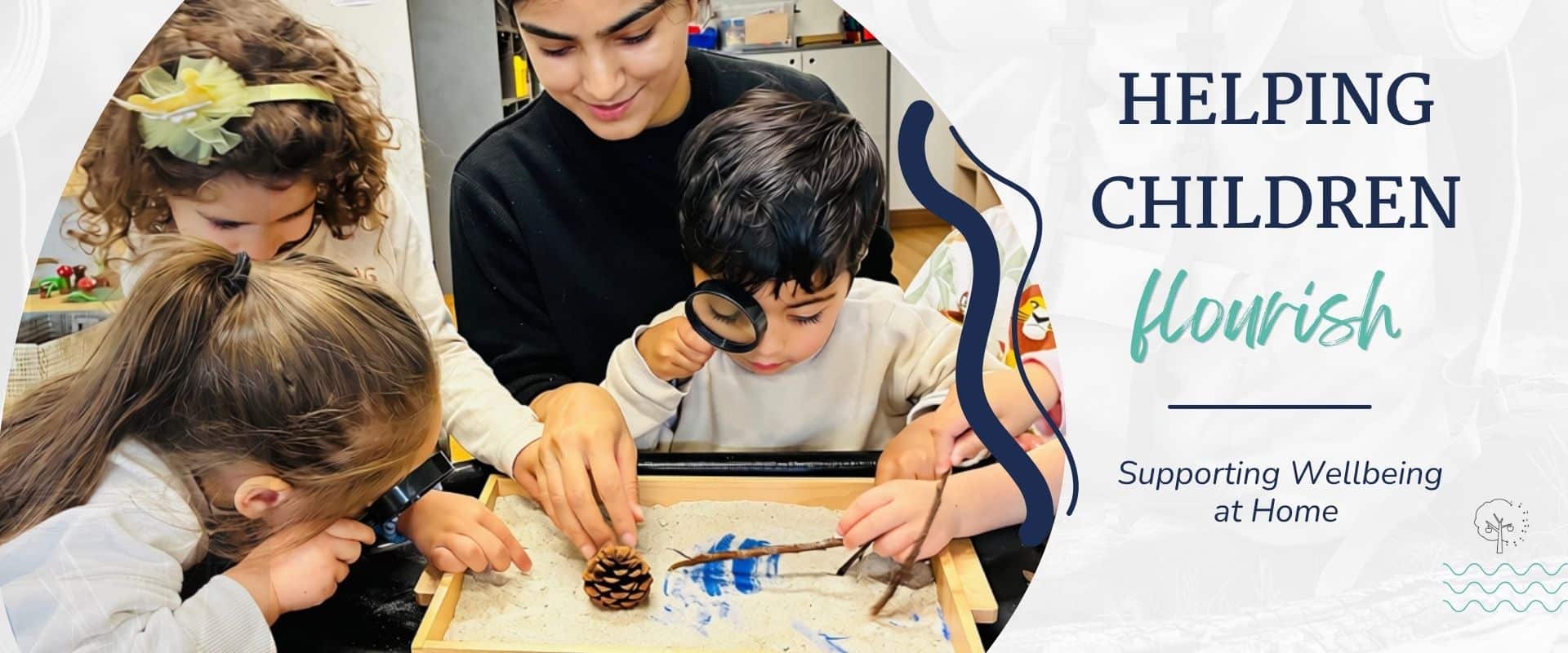
Helping Children Flourish: Simple Ways Families Can Support Wellbeing at Home
As parents and caregivers, we all want our children to be happy, healthy, confident, and capable. But true wellbeing goes beyond happiness alone. It is about helping children develop the skills, relationships, and confidence they need to thrive throughout their lives.
This is often referred to as flourishing, a state where children feel safe, connected, valued, and supported as they learn, grow and explore the world around them.
At Niño ELA, we believe flourishing happens when families, educators and children work together to create a strong foundation of wellbeing, belonging, and positive relationships.
What does it mean for a Child to Flourish?
Every child is unique, and flourishing can look different from one child to another. However, children who are flourishing often:
- Feel happy, safe, and secure.
- Have positive relationships with family, educators, and friends.
- Show curiosity and enthusiasm for learning.
- Feel confident to try new things.
- Express their emotions in healthy ways.
- Develop resilience when facing challenges.
- Have a strong sense of identity and belonging.
When children flourish, they are better equipped to navigate life’s ups and downs and develop the skills needed for future success and wellbeing.
Why is Flourishing Important?
The early years are a crucial time for growth and development. Children who feel supported and connected are more likely to develop:
Confidence and Self-Esteem: When children know they are loved, valued and capable, they begin to believe in themselves. This confidence helps them tackle new experiences and challenges with a positive mindset.
Strong Relationships: Positive relationships teach children important social skills such as empathy, co-operation, and communication, and kindness. These skills form the foundation for healthy friendships and connections throughout life.
Resilience: Life is full of challenges, both big and small. Flourishing children learn that mistakes are part of learning and develop the confidence to keep trying, even when things don’t go as planned.
A Love of Learning: Children who feel safe and supported are more likely to be curious and engaged learners. They ask questions, explore new ideas and develop a lifelong love of discovery.
A Strong Sense of Belonging: Knowing they belong helps children feel secure and valued. Whether at home, at Niño ELA or within their community, a sense of belonging supports healthy emotional development and wellbeing.
Practical Tips for Helping Your Child Flourish at Home
The good news is that helping children flourish doesn’t require grand gestures. Simple, everyday interactions can have a big impact on your child’s wellbeing.
- Prioritise Connection. Spend one-on-one time with your child each day, even if it is only for a few minutes. Reading a book, talking about their day, or playing together helps strengthen your relationship and makes your child feel valued.
Try this: Put away phones and distractions during family time and focus on being fully present.
- Encourage Play and Exploration. Play is one of the most important ways young children learn. It helps build creativity, critical thinking skills, confidence, and resilience.
Try this: Allow time for unstructured play, outdoor adventures, and opportunities for your child to follow their interests.
- Talk About Feelings. Helping children understand and express their emotions builds emotional literacy and resilience.
Try this: Use everyday moments to label emotions and reassure your child that all feelings are normal and okay. For example: “You look disappointed that playtime has finished. It’s okay to feel sad when something fun ends.”
- Celebrate Effort, Not Just Results. Recognising effort encourages children to keep trying and develop a growth mindset.
Try this: Instead of saying, “You’re so clever,” try saying, “I can see how hard you worked on that.”
- Embrace Mistakes as Learning Opportunities. Children learn resilience when they understand that mistakes are a natural part of learning.
Try this: Share your own mistakes and how you worked through them. Saying, “That didn’t work the first time, so I’ll try a different way,” helps children see challenges as opportunities to learn and grow.
- Create Predictable Routines. Consistent routines help children feel safe and secure because they know what to expect.
Try this: Establish simple morning, mealtime and bedtime routines that support your child’s sense of stability.
- Support Healthy Habits. Good nutrition, physical activity, and adequate sleep all contribute to children’s wellbeing and ability to learn.
Try this: Encourage outdoor play, family walks, nutritious meals, and consistent sleep routines.
- Foster Independence. Giving children opportunities to make choices and complete age-appropriate tasks builds confidence and self-esteem.
Try this: Let your child choose their clothes, help pack their bag or assist with simple household tasks.
- Encourage Gratitude and Kindness. Helping children notice acts of kindness and appreciate the positive things in their lives supports emotional wellbeing and strengthens relationships.
Try this: At dinner or bedtime, ask your child to share one thing they are grateful for and one kind thing they did or noticed that day.
- Balance Technology with Real-World Experiences. Technology has its place, but young children benefit most from hands-on play, face-to-face conversations, movement, and time in nature.
Try this: Create regular screen-free family times during meals, before bedtime, or while enjoying outdoor activities together.
- Model Wellbeing. Children learn by watching the important adults in their lives. Looking after your own wellbeing helps show children healthy ways to manage emotions and life’s challenges.
Try this: Let your child see you taking a walk, reading a book, asking for help when needed, or using calming strategies when you feel stressed.
- Stay Connected with Educators. Strong partnerships between families and educators help create consistency and support for children.
Try this: Share important milestones, interests, and concerns with your child’s educators, and celebrate achievements together.
Flourishing Together
Children flourish when they feel loved, supported and connected by the important people in their lives. By focusing on relationships, wellbeing and everyday moments of connection, families can help children develop the confidence, resilience, and sense of belonging they need to thrive.
At Niño ELA, we know that every family is unique, and there is no single “right” way to support children’s wellbeing. It is the small, consistent moments of connection, encouragement, and care that make the biggest difference.
Together, families and educators can create a community where every child feels valued, capable, and empowered to reach their full potential. After all, when children flourish, everyone benefits.
As parents and caregivers, we all want our children to be happy, healthy, confident, and capable. But true wellbeing goes beyond happiness alone. It is about helping children develop the skills, relationships, and confidence they need to thrive throughout their lives.
This is often referred to as flourishing, a state where children feel safe, connected, valued, and supported as they learn, grow and explore the world around them.
At Niño ELA, we believe flourishing happens when families, educators and children work together to create a strong foundation of wellbeing, belonging, and positive relationships.
What does it mean for a Child to Flourish?
Every child is unique, and flourishing can look different from one child to another. However, children who are flourishing often:
- Feel happy, safe, and secure.
- Have positive relationships with family, educators, and friends.
- Show curiosity and enthusiasm for learning.
- Feel confident to try new things.
- Express their emotions in healthy ways.
- Develop resilience when facing challenges.
- Have a strong sense of identity and belonging.
When children flourish, they are better equipped to navigate life’s ups and downs and develop the skills needed for future success and wellbeing.
Why is Flourishing Important?
The early years are a crucial time for growth and development. Children who feel supported and connected are more likely to develop:
Confidence and Self-Esteem: When children know they are loved, valued and capable, they begin to believe in themselves. This confidence helps them tackle new experiences and challenges with a positive mindset.
Strong Relationships: Positive relationships teach children important social skills such as empathy, co-operation, and communication, and kindness. These skills form the foundation for healthy friendships and connections throughout life.
Resilience: Life is full of challenges, both big and small. Flourishing children learn that mistakes are part of learning and develop the confidence to keep trying, even when things don’t go as planned.
A Love of Learning: Children who feel safe and supported are more likely to be curious and engaged learners. They ask questions, explore new ideas and develop a lifelong love of discovery.
A Strong Sense of Belonging: Knowing they belong helps children feel secure and valued. Whether at home, at Niño ELA or within their community, a sense of belonging supports healthy emotional development and wellbeing.
Practical Tips for Helping Your Child Flourish at Home
The good news is that helping children flourish doesn’t require grand gestures. Simple, everyday interactions can have a big impact on your child’s wellbeing.
- Prioritise Connection. Spend one-on-one time with your child each day, even if it is only for a few minutes. Reading a book, talking about their day, or playing together helps strengthen your relationship and makes your child feel valued.
Try this: Put away phones and distractions during family time and focus on being fully present.
- Encourage Play and Exploration. Play is one of the most important ways young children learn. It helps build creativity, critical thinking skills, confidence, and resilience.
Try this: Allow time for unstructured play, outdoor adventures, and opportunities for your child to follow their interests.
- Talk About Feelings. Helping children understand and express their emotions builds emotional literacy and resilience.
Try this: Use everyday moments to label emotions and reassure your child that all feelings are normal and okay. For example: “You look disappointed that playtime has finished. It’s okay to feel sad when something fun ends.”
- Celebrate Effort, Not Just Results. Recognising effort encourages children to keep trying and develop a growth mindset.
Try this: Instead of saying, “You’re so clever,” try saying, “I can see how hard you worked on that.”
- Embrace Mistakes as Learning Opportunities. Children learn resilience when they understand that mistakes are a natural part of learning.
Try this: Share your own mistakes and how you worked through them. Saying, “That didn’t work the first time, so I’ll try a different way,” helps children see challenges as opportunities to learn and grow.
- Create Predictable Routines. Consistent routines help children feel safe and secure because they know what to expect.
Try this: Establish simple morning, mealtime and bedtime routines that support your child’s sense of stability.
- Support Healthy Habits. Good nutrition, physical activity, and adequate sleep all contribute to children’s wellbeing and ability to learn.
Try this: Encourage outdoor play, family walks, nutritious meals, and consistent sleep routines.
- Foster Independence. Giving children opportunities to make choices and complete age-appropriate tasks builds confidence and self-esteem.
Try this: Let your child choose their clothes, help pack their bag or assist with simple household tasks.
- Encourage Gratitude and Kindness. Helping children notice acts of kindness and appreciate the positive things in their lives supports emotional wellbeing and strengthens relationships.
Try this: At dinner or bedtime, ask your child to share one thing they are grateful for and one kind thing they did or noticed that day.
- Balance Technology with Real-World Experiences. Technology has its place, but young children benefit most from hands-on play, face-to-face conversations, movement, and time in nature.
Try this: Create regular screen-free family times during meals, before bedtime, or while enjoying outdoor activities together.
- Model Wellbeing. Children learn by watching the important adults in their lives. Looking after your own wellbeing helps show children healthy ways to manage emotions and life’s challenges.
Try this: Let your child see you taking a walk, reading a book, asking for help when needed, or using calming strategies when you feel stressed.
- Stay Connected with Educators. Strong partnerships between families and educators help create consistency and support for children.
Try this: Share important milestones, interests, and concerns with your child’s educators, and celebrate achievements together.
Flourishing Together
Children flourish when they feel loved, supported and connected by the important people in their lives. By focusing on relationships, wellbeing and everyday moments of connection, families can help children develop the confidence, resilience, and sense of belonging they need to thrive.
At Niño ELA, we know that every family is unique, and there is no single “right” way to support children’s wellbeing. It is the small, consistent moments of connection, encouragement, and care that make the biggest difference.
Together, families and educators can create a community where every child feels valued, capable, and empowered to reach their full potential. After all, when children flourish, everyone benefits.