
Why Positive Emotions Matter
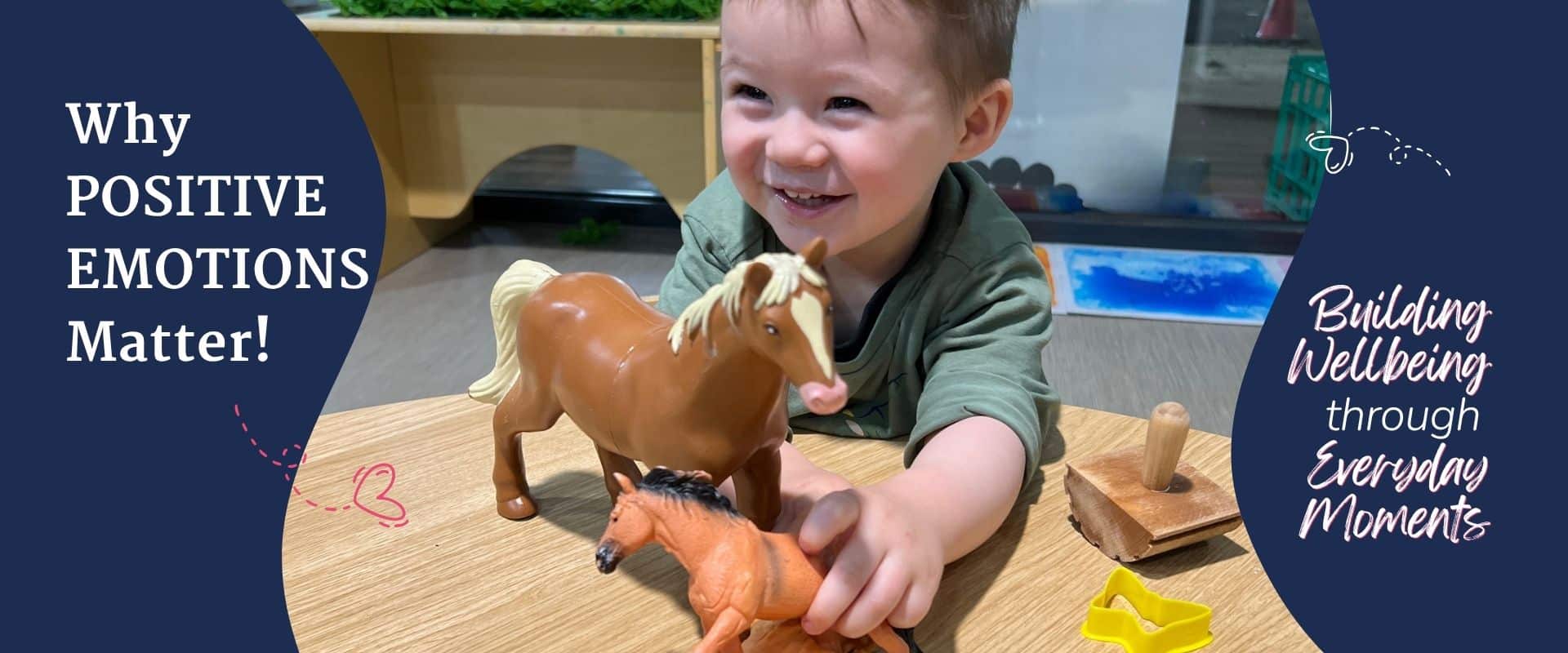
Building Wellbeing Through Everyday Moments
At Niño Early Learning Adventures, we believe education is about much more than developing skills and knowledge. It is about helping children, families, and educators thrive. Understanding and nurturing positive emotions is a fundamental part of this journey, nurturing wellbeing, resilience, relationships, and a lifelong sense of connection.
The Power of Positive Emotions
Every day, our emotions shape how we think, respond, connect and engage with the world around us. Positive emotions such as joy, gratitude, hope, love, serenity, pride, and awe can broaden our thinking, strengthen relationships, and build resilience.
For children, these emotions create opportunities to feel safe, connected, confident, and engaged. For adults, they can support a sense of purpose, belonging, and connection.
At Niño ELA, we recognise that creating environments where children and educators feel valued, supported, and able to be themselves is an important part of wellbeing.
Recognising the Role of All Emotions
While positive emotions are important, every emotion has a purpose. Feelings such as sadness, fear, worry, frustration, and disappointment help us recognise challenges, communicate our needs, and navigate challenging experiences.
The goal is not to eliminate difficult emotions, but to help children develop the awareness and skills to understand and respond to them in healthy ways.
When we acknowledge children’s emotions rather than dismissing them, we help build emotional literacy, resilience, confidence, and stronger relationships.
Supporting Emotional Development in Children
Young children experience a wide range of emotions every day, often before they have the words to express what they are feeling. Whether they are excited, frustrated, proud, disappointed, or unsure, trusted adults play an important role in helping children develop an understanding of these experiences.
Simple moments can make a meaningful difference. Acknowledging a child’s feelings, celebrating their achievements, sitting alongside them during a challenging moment, or simply taking time to notice something that brings them joy can all support emotional development.
These everyday interactions help children build an understanding of their emotions and develop the confidence to navigate them.
Learning to Savour the Moment
One of the wellbeing practices we explore at Niño ELA is savouring the moment — creating space to pause, notice, and fully embrace and appreciate positive experiences as they happen.
In our busy lives, it can be easy to move quickly from one activity to the next. Savouring encourages us to slow down and notice the everyday moments that evoke joy, connection, gratitude, and wonder.
Within our centres, we have introduced practices that encourage children and educators to become more present and mindful, including:
- “Savour the Moment” clocks in learning environments
- Mindfulness and Positive Education resources for educators
- Daily rituals that encourage reflection and appreciation
- Simple 10-second pauses to stop, notice, and become present
- Sharing practical wellbeing strategies with families.
These small moments can help children and adults recognise that wellbeing isn’t always found in big experiences. Sometimes, it is found in the little things happening right in front of us.
Try It at Home: Savour the Moment Together
Families can easily bring this practice into everyday life. You don’t need a special activity or lots of time — just a moment to pause together.
Try asking your child:
- “What is something you enjoyed today?”
- “What made you smile?”
- “What is something you would like to remember about today?”
You might pause together to listen to the birds, watch the sunset, enjoy a favourite book, notice the feeling of warm sunlight, or simply share a laugh.
You can also create your own “Savour the Moment” ritual at home. At dinner, before bedtime, or during a weekend walk, take a few moments to share something you noticed, enjoyed, or felt grateful for.
These simple conversations help children practise noticing positive experiences and give families an opportunity to slow down and connect.
Creating a Positive Emotional Culture
At Niño ELA, wellbeing is something we cultivate together. Our emotional culture extends beyond the classroom to include children, educators, families, and our broader community.
When children see the adults around them acknowledging emotions, showing empathy, celebrating moments of joy, and supporting one another through challenges, they are learning foundational skills that will continue to shape their lives.
Looking Ahead
Positive emotions are more than fleeting feelings. They are important building blocks of wellbeing, connection, and resilience.
By helping children and adults recognise, understand, and savour the moments that make life meaningful — while also making space for the more challenging emotions — we can foster environments where people feel connected, capable, and supported.
At Niño Early Learning Adventures, Positive Education continues to guide the experiences we create each day. From the learning environments to the conversations we share with families, we are committed to cultivating emotional growth, strengthening relationships, and creating opportunities to savour the moment that make every day meaningful.
Building Wellbeing Through Everyday Moments
At Niño Early Learning Adventures, we believe education is about much more than developing skills and knowledge. It is about helping children, families, and educators thrive. Understanding and nurturing positive emotions is a fundamental part of this journey, nurturing wellbeing, resilience, relationships, and a lifelong sense of connection.
The Power of Positive Emotions
Every day, our emotions shape how we think, respond, connect and engage with the world around us. Positive emotions such as joy, gratitude, hope, love, serenity, pride, and awe can broaden our thinking, strengthen relationships, and build resilience.
For children, these emotions create opportunities to feel safe, connected, confident, and engaged. For adults, they can support a sense of purpose, belonging, and connection.
At Niño ELA, we recognise that creating environments where children and educators feel valued, supported, and able to be themselves is an important part of wellbeing.
Recognising the Role of All Emotions
While positive emotions are important, every emotion has a purpose. Feelings such as sadness, fear, worry, frustration, and disappointment help us recognise challenges, communicate our needs, and navigate challenging experiences.
The goal is not to eliminate difficult emotions, but to help children develop the awareness and skills to understand and respond to them in healthy ways.
When we acknowledge children’s emotions rather than dismissing them, we help build emotional literacy, resilience, confidence, and stronger relationships.
Supporting Emotional Development in Children
Young children experience a wide range of emotions every day, often before they have the words to express what they are feeling. Whether they are excited, frustrated, proud, disappointed, or unsure, trusted adults play an important role in helping children develop an understanding of these experiences.
Simple moments can make a meaningful difference. Acknowledging a child’s feelings, celebrating their achievements, sitting alongside them during a challenging moment, or simply taking time to notice something that brings them joy can all support emotional development.
These everyday interactions help children build an understanding of their emotions and develop the confidence to navigate them.
Learning to Savour the Moment
One of the wellbeing practices we explore at Niño ELA is savouring the moment — creating space to pause, notice, and fully embrace and appreciate positive experiences as they happen.
In our busy lives, it can be easy to move quickly from one activity to the next. Savouring encourages us to slow down and notice the everyday moments that evoke joy, connection, gratitude, and wonder.
Within our centres, we have introduced practices that encourage children and educators to become more present and mindful, including:
- “Savour the Moment” clocks in learning environments
- Mindfulness and Positive Education resources for educators
- Daily rituals that encourage reflection and appreciation
- Simple 10-second pauses to stop, notice, and become present
- Sharing practical wellbeing strategies with families.
These small moments can help children and adults recognise that wellbeing isn’t always found in big experiences. Sometimes, it is found in the little things happening right in front of us.
Try It at Home: Savour the Moment Together
Families can easily bring this practice into everyday life. You don’t need a special activity or lots of time — just a moment to pause together.
Try asking your child:
- “What is something you enjoyed today?”
- “What made you smile?”
- “What is something you would like to remember about today?”
You might pause together to listen to the birds, watch the sunset, enjoy a favourite book, notice the feeling of warm sunlight, or simply share a laugh.
You can also create your own “Savour the Moment” ritual at home. At dinner, before bedtime, or during a weekend walk, take a few moments to share something you noticed, enjoyed, or felt grateful for.
These simple conversations help children practise noticing positive experiences and give families an opportunity to slow down and connect.
Creating a Positive Emotional Culture
At Niño ELA, wellbeing is something we cultivate together. Our emotional culture extends beyond the classroom to include children, educators, families, and our broader community.
When children see the adults around them acknowledging emotions, showing empathy, celebrating moments of joy, and supporting one another through challenges, they are learning foundational skills that will continue to shape their lives.
Looking Ahead
Positive emotions are more than fleeting feelings. They are important building blocks of wellbeing, connection, and resilience.
By helping children and adults recognise, understand, and savour the moments that make life meaningful — while also making space for the more challenging emotions — we can foster environments where people feel connected, capable, and supported.
At Niño Early Learning Adventures, Positive Education continues to guide the experiences we create each day. From the learning environments to the conversations we share with families, we are committed to cultivating emotional growth, strengthening relationships, and creating opportunities to savour the moment that make every day meaningful.